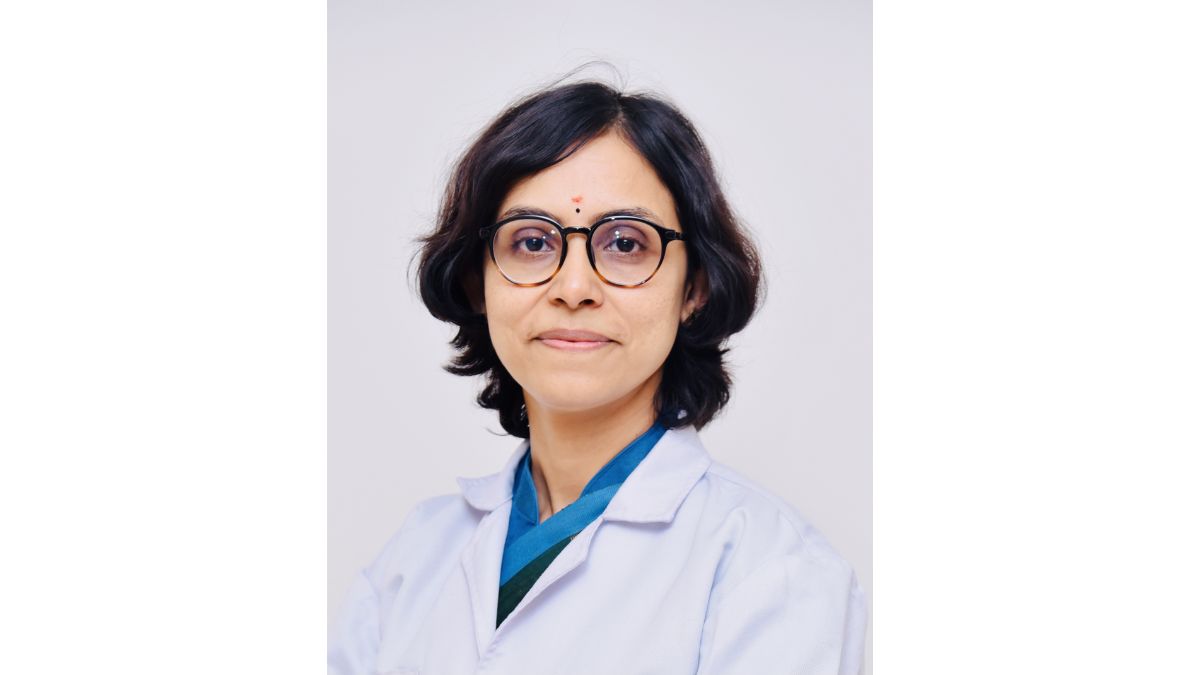
Bengaluru (Karnataka) [India], February 03: Cancer is a growing public health challenge in India, affecting millions of families every year. Recent data from the Indian Council of Medical Research (ICMR) reveal a notable paradox: women in India report a slightly higher incidence of cancer, yet men experience a greater share of cancer deaths. Dr Niti Krishna Raizada, Principal Director – Medical Oncology & Hemato Oncology at Fortis Group of Hospitals, Bangalore explained, “Understanding this pattern is essential to designing effective prevention, early detection, and treatment strategies”.
Between 2015 and 2019, analysis of more than 700,000 cancer cases suggests that women accounted for just over 50 % of new cancer diagnoses, compared to about 49 % in men. However, men constituted around 55 % of cancer-related deaths, whereas women accounted for approximately 45 %.
Dr Niti added, “The types of cancers that predominate among women and men help explain this disparity”. Among women, breast cancer is the most frequently diagnosed, followed by cervical and ovarian cancers. These cancers, while serious, are often responsive to early detection and treatment. In contrast,men more commonly develop oral, lung, and prostate cancers, which are closely linked to high-risk behaviours like tobacco and alcohol use and often present at later, more advanced stages, leading to poorer outcomes.
This gender gap in mortality reflects deeper issues in healthcare access and health behaviour. Men may be less likely to seek medical care early, leading to delayed diagnoses. Additionally, risk factors like smoking, heavy alcohol use, and occupational exposures are more prevalent among Indian men, increasing both the incidence and lethality of certain cancers.
For women, although incidence is higher, early detection through organized screening and awareness — especially for breast and cervical cancers — has helped improve outcomes and reduce mortality. Furthermore, increased health-seeking behaviour among many women for reproductive health may translate into earlier opportunities to detect cancer says Dr Niti.
To reduce the cancer burden for both genders, multi-pronged action is needed:
- Strengthen screening programs for breast, cervical, oral, and lung cancers, ensuring they reach rural and underserved communities.
- Promote tobacco and alcohol cessation through public health campaigns and policy measures, including higher taxes and stricter advertising restrictions.
- Expand vaccination against human papillomavirus (HPV) to prevent cervical cancer.
- Increase public awareness about warning signs — such as persistent lumps, unexplained weight loss, changes in bowel or bladder habits, and unusual bleeding — to encourage early medical consultation.
- Improve healthcare access and follow-up care, especially for men, who often present at later stages.
Cancer is not a single disease but a collection of conditions shaped by biology, behaviour, environment, and healthcare access. World Cancer Day 2026, observed on February 4, reinforces the global commitment to closing care gaps in cancer prevention and treatment. It emphasizes equity, early diagnosis, and access to quality care, reminding India that timely action, awareness, and gender-sensitive strategies are crucial to reducing cancer incidence and mortality.
Dr Niti Krishna Raizada,
Principal Director – Medical Oncology & Hemato Oncology
Fortis Group of Hospitals, Bangalore
For more information / appointments you can contact at http://www.oncologistniti.com
Disclaimer: This press release is for general information purposes only and should not be construed as professional medical advice. Always consult a doctor before taking any decisions.